How to launch a new brand successfully (from research to results)
When you launch a new brand, your website, social posts and sales conversations need to explain the same thing: what you offer, who it helps and why someone should choose you.
A launch plan connects your market research, brand identity, campaign schedule and follow-up, so you can prepare those pieces before the announcement.
Whether you’re unveiling a new company, expanding your product portfolio, or rebranding an existing business, a well-planned launch can set the tone for long-term success.
Research your brand’s market and target customers
Before designing visuals or scheduling posts, you need to understand where your brand fits in the market.
Review competing offers and speak with potential customers about the problems they want to solve, how they currently solve them and what would make them choose a new supplier. Separate existing customers from people meeting your brand for the first time; each group may need different explanations.
Use that research to define your unique value proposition: the specific benefit your brand, product or service offers, who it is for and why they should choose it. Test that explanation with customers before treating it as settled.
Build a strong brand identity
Decide how your brand should look, sound and describe its offer, so someone meeting it through an email, website or sales conversation recognises the same business.
Turn that positioning, the place you want your brand to occupy in customers’ minds, into usable assets:
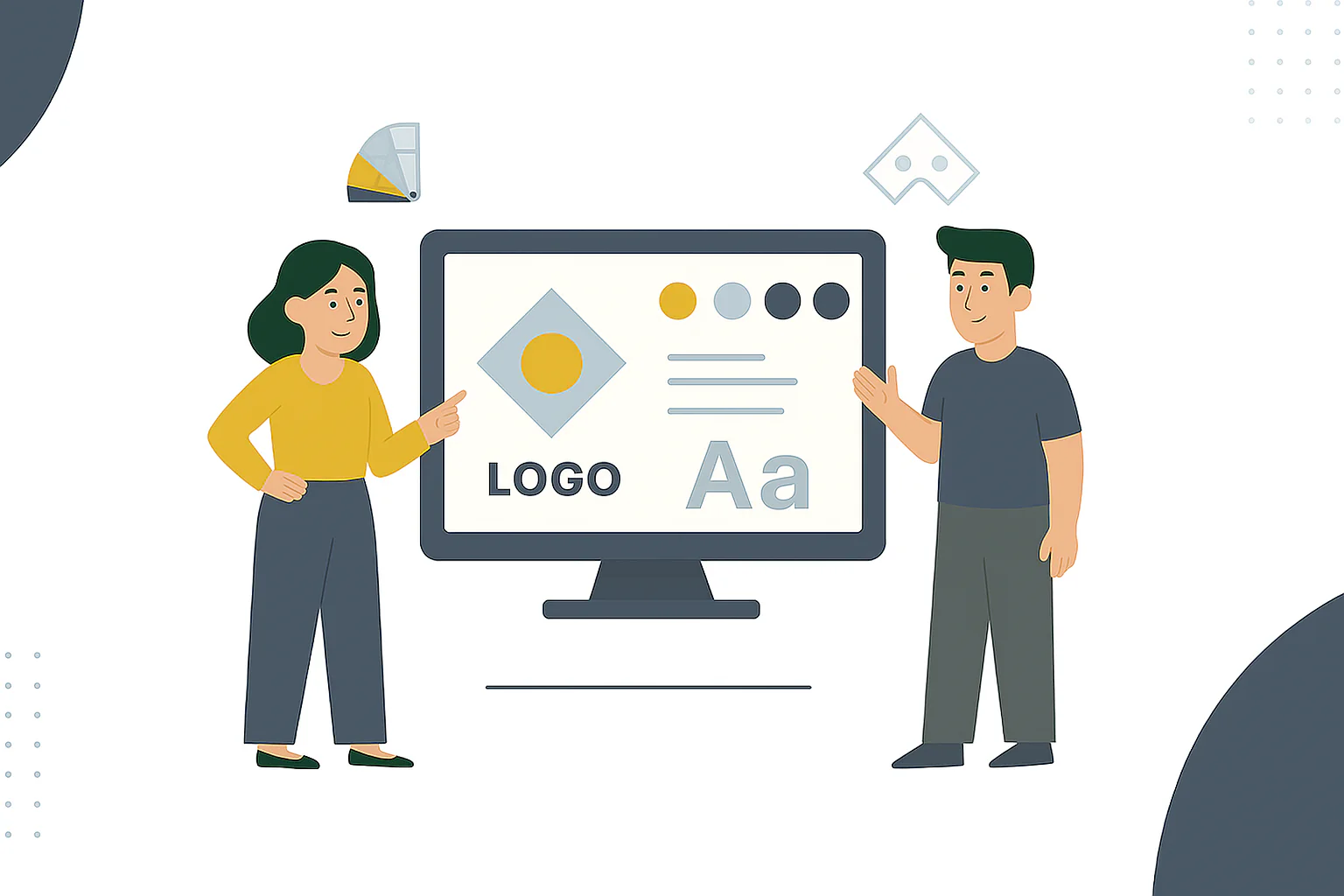
- A new visual identity (logo, colour palette, typography)
- A brand story explaining why the business exists and how it helps customers
- Updated brand guidelines covering tone, photography and usage
Your identity should remain consistent across all marketing channels—your new website, social media, press releases, and email campaigns. Consistency creates familiarity, which builds trust.
Set your brand launch schedule and responsibilities
Set a launch date, assign an owner to each task and agree what must be ready before you announce the brand. Organise the plan around three stages:
Pre-launch: test your brand message and prepare campaign assets
- Test messaging with existing customers or early adopters
- Prepare promo assets and social media posts
- Build landing pages and collect early sign-ups
- Run a soft launch with a limited audience to test the offer, website and enquiry process before the public announcement
Launch day: announce your brand and respond to enquiries
- Announce your brand or product with a clear compelling story
- Publish through the channels your audience uses, such as LinkedIn, Instagram, relevant press or your email list
- Consider a launch event, or a Product Hunt listing if you are introducing a product suited to that audience
- Assign someone to answer questions and handle enquiries after the announcement
Post-launch: review campaign results and customer feedback
- Monitor website traffic, social engagement and any referral programmes you run
- Gather customer feedback and compare results with your key performance indicators (KPIs), such as qualified enquiries, sign-ups or sales
- Share updates or “behind the scenes” insights to sustain momentum
Review the plan with everyone involved so they know their deadlines, dependencies and who can approve a change.
Design your marketing and launch campaign
Use a mix of paid ads, organic content, and email campaigns to raise awareness.
- Create teaser posts to build curiosity before the public launch
- Use video and social stories to show your brand personality
- Run short-term promotions or referral incentives to attract new customers
If you’re launching a product within an existing portfolio, make the connection clear. Show how the new addition enhances what customers already know.
Show the product in use, explain the benefit and make the next step clear, whether that is requesting a demo, joining a waiting list or buying.
Build relationships with your brand’s early supporters
Contact early supporters and collaborators personally, explain what is launching and give them the details they need if they choose to share it. Answer public questions where useful, handle private customer concerns directly and follow up with partners after the launch date.
Building those personal relationships early strengthens credibility for future brand launches.
Measure your brand launch against its goals
Your launch doesn’t end when the campaign closes.
Choose measures that match your launch goal and compare them with a baseline, such as the period before the campaign. Track and analyse metrics such as:
- Website traffic and conversions
- Social reach and engagement
- Email open and click-through rates
- Customer feedback (positive and negative)
Gather feedback from your team, customers and partners to understand what worked and what didn’t. Use those lessons to refine your next launch and improve your ongoing marketing strategy.
Keep your brand marketing active after launch
Before the launch campaign ends, plan the next round of useful content and customer follow-ups. Keep the service information, brand assets and answers to common questions up to date across your website, social channels and email.
Use questions from new customers to decide what to explain next, and assign an owner to that ongoing marketing work.
Blend creativity and structure for a successful brand launch
- Research the market and define your audience
- Build a clear brand identity
- Create a detailed launch plan
- Execute across multiple marketing channels
- Gather feedback and measure success
Whether you’re planning a new product launch, rebrand, or public brand launch, following these principles helps you raise awareness, attract the right customers, and achieve long-term success.
Explore free guides, checklists and templates